


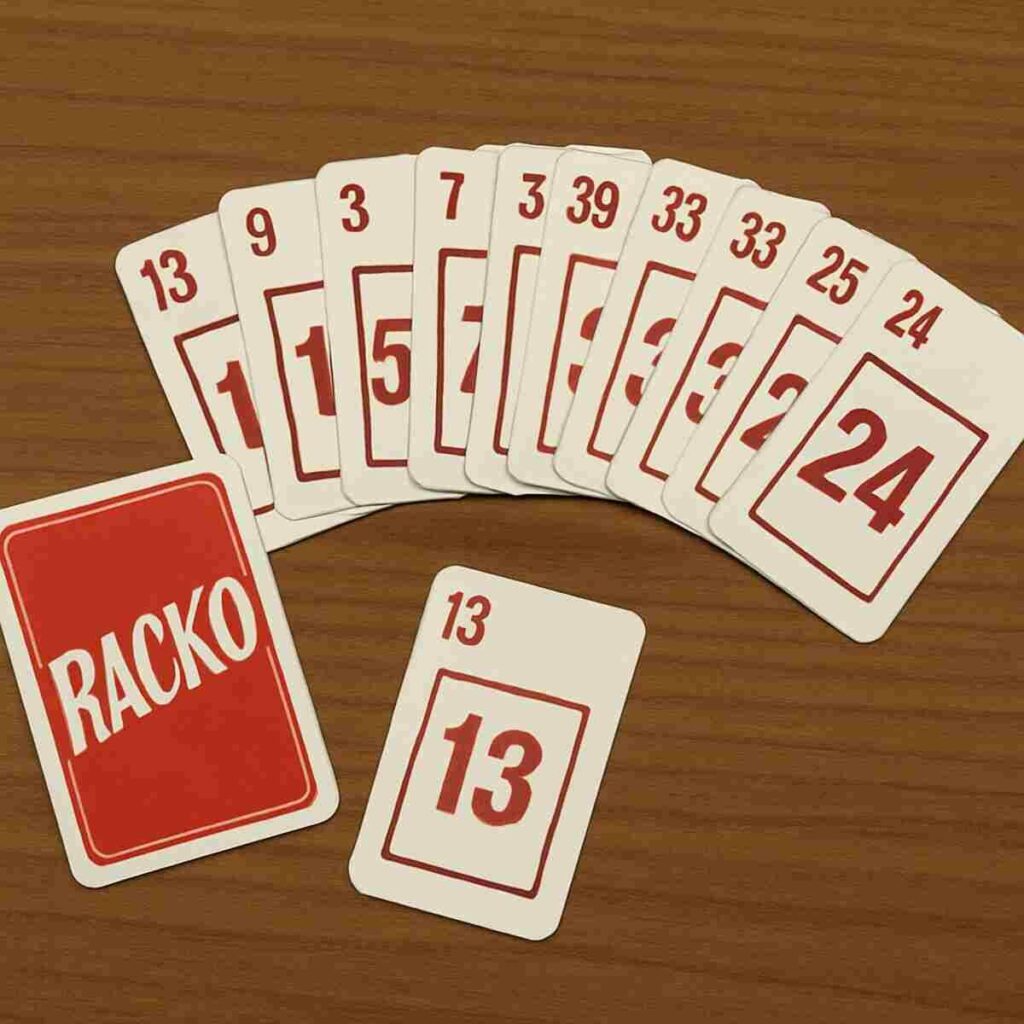
Hey there, card game enthusiasts! If you’re looking to spice up your game nights with a fun and engaging card game, Racko might just be the perfect choice. Whether you’re a newbie or a seasoned player looking to sharpen your skills, this guide will walk you through everything you need to know to master the Racko card game. From understanding the rules to implementing advanced strategies, we’ve got you covered. Let’s delve into the world of Racko and transform your gameplay experience. To know more, check out tutor78
Racko is a classic card game that combines elements of strategy and luck. It’s all about organizing your cards into numerical order before your opponents do. Sounds simple, right? Well, there’s more to it than meets the eye. Let’s dive into the basics and get you ready to play.
The Origins of Racko
Racko was introduced in the mid-20th century and has since become a staple in many households. Its simple yet strategic gameplay appeals to both young and old, offering a perfect blend of entertainment and challenge. Understanding its origins can give you a deeper appreciation of the game and its enduring popularity.
The Objective of Racko
The primary goal in Racko is to be the first player to arrange your rack of cards in ascending numerical order. This requires keen observation, strategic planning, and a bit of luck. Each decision you make can edge you closer to victory or set you back, making every move crucial.
Components of the Game
Racko is played using a special deck of cards and racks to hold them. The deck is typically numbered, and each rack holds a set number of cards. Familiarizing yourself with these components can enhance your gameplay and help you devise better strategies.
Understanding Racko Rules
Before we jump into strategies, let’s make sure we’re all on the same page with the rules of Racko.
How to Play Racko Card Game
Racko is typically played with 2 to 4 players. The objective is to be the first player to arrange all the cards in your rack in ascending numerical order. Here’s a step-by-step guide on how to play:
- Setup the Game: Each player receives a rack and is dealt 10 cards. The remaining cards form a draw pile, and the top card is placed face-up to start the discard pile. Ensuring everyone understands the setup is crucial for a smooth game experience.
- Starting the Game: The player to the left of the dealer begins. On your turn, you can choose to draw a card from either the draw pile or the discard pile. This choice can influence your strategy significantly, so consider your options carefully.
- Replacing Cards: The goal is to replace cards in your rack with cards from the draw or discard pile to arrange them in ascending order. This requires strategic thinking and the ability to anticipate future moves.
- Winning the Round: The first player to arrange all their cards in ascending order calls “Racko” and wins the round. Mastering this step requires a balance of speed and strategy, as every decision counts.
- Scoring: Points are awarded based on the position of the cards in numerical order. The first player to reach a predetermined score wins the game. Understanding the scoring system can help you prioritize moves and focus on long-term goals.
Essential Game Etiquette
Playing Racko isn’t just about strategy; it’s also about enjoying the experience with others. Being courteous, taking turns promptly, and respecting the game flow ensures everyone has a fun time. Remember, the social aspect of Racko is as important as the competition.
Common Rule Variations
Every group might have its own interpretations or slight modifications of the rules. Being open to these variations can lead to exciting new ways to play and enjoy the game. Whether it’s altering the number of cards or the scoring system, these tweaks can add fresh challenges.
Beginner Strategies for Racko

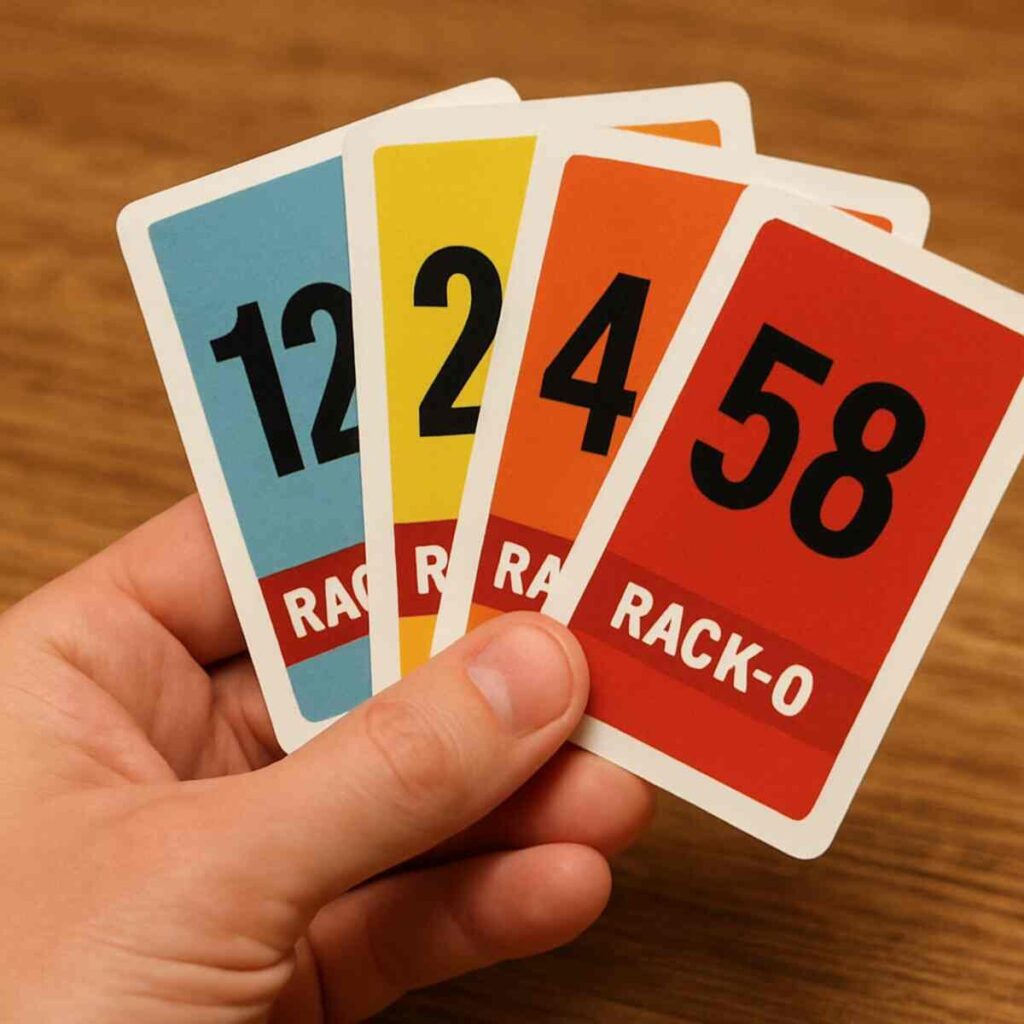
Now that you know the basics, let’s talk strategy. Here are some tips to help you get started:
1. Focus on the Middle Cards
In Racko, the middle cards in your rack are often the trickiest to manage. Start by focusing on organizing these middle cards first, as they provide more flexibility in arranging the rest of your rack. By stabilizing the middle, you create a solid foundation for the rest of your cards.
The middle cards often dictate the flow of the game, as they can be adjusted to accommodate changes in your strategy. By prioritizing them, you maintain control over your rack’s progression. This focus can act as an anchor, helping you adapt to unexpected card draws or opponent moves.
2. Keep an Eye on Opponents
Pay attention to the cards your opponents are discarding or picking up. This can give you valuable insights into their strategy and help you make better decisions. Observing their actions can reveal their weaknesses or the cards they are seeking, allowing you to adjust your tactics accordingly.
Strategically aligning your moves with your observations can provide a significant advantage. If you notice a pattern in their discards, you might predict their next moves, giving you an edge. This foresight can be the difference between winning and losing.
3. Be Selective with Draws
While it might be tempting to draw from the discard pile, sometimes it’s wiser to draw from the draw pile to keep your options open. This way, you won’t reveal your strategy to your opponents. Drawing from the draw pile can also introduce unexpected opportunities, providing a fresh perspective on your current strategy.
Being selective means understanding the potential outcomes of each draw. Sometimes, a random card from the draw pile can disrupt your opponent’s plans, even if it doesn’t immediately benefit you. Weighing the risks and benefits of each draw is key to effective play.
Advanced Strategies for Racko
Once you’ve got the hang of the basics, it’s time to up your game with some advanced strategies.
1. Mind the Gaps
Consider the gaps between the cards in your rack. Try to minimize these gaps by strategically replacing cards, which can create more opportunities for arranging your rack in ascending order. Smaller gaps lead to smoother transitions and easier adjustments as the game progresses.
Focusing on gaps requires a keen eye for detail and an understanding of card flow. By minimizing these spaces, you reduce the complexity of arranging your cards and streamline your path to victory. This strategy demands precision and forward-thinking.
2. Plan Your Moves
Think a few steps ahead. Anticipate the cards you might need and plan your moves accordingly. This foresight can give you a significant edge over your opponents. By visualizing potential scenarios, you can prepare for various outcomes and stay one step ahead.
Planning involves not just your moves but also predicting opponents’ actions. By anticipating their strategies, you can craft counter-moves that disrupt their plans. This level of strategic thinking elevates your gameplay and can lead to more consistent victories.
3. Disrupt Opponent Strategies
If you notice an opponent is close to completing their rack, discard cards that may disrupt their strategy. This can buy you time to arrange your own rack. Disrupting their flow forces them to adapt, potentially leading to mistakes or missed opportunities.
Understanding the value of disruption requires a balance of aggression and defense. While focusing on your rack is important, sometimes the best defense is a good offense. By actively hindering opponents, you create opportunities for yourself while maintaining your lead.
Common Mistakes to Avoid
Even seasoned players can fall into traps. Here are some common mistakes to watch out for:
1. Over-focusing on One Card
Don’t get too fixated on replacing a single card. This can lead to tunnel vision and hinder your ability to see other opportunities for improvement in your rack. Flexibility is key, and being adaptable can prevent you from missing crucial moves.
Over-focusing can stifle your creativity and limit your strategic options. By broadening your focus, you remain open to alternative paths that could lead to victory. Recognizing when to pivot is a crucial skill for any Racko player.
2. Ignoring Opponent Moves
Neglecting to pay attention to your opponents’ actions can put you at a disadvantage. Keep an eye on their strategies and adjust yours accordingly. Ignoring these moves can lead to missed opportunities and surprise defeats, as opponents may capitalize on your inattention.
Staying aware of your surroundings ensures you remain competitive and responsive. Observing opponents’ patterns can provide insights into their strategies, allowing you to counteract their moves effectively. Adaptability in response to others’ actions is a hallmark of skilled play.
3. Playing Too Cautiously
While it’s important to be strategic, playing too cautiously can slow your progress. Be bold and take calculated risks when necessary. Embracing risk can lead to breakthroughs and unexpected advantages, propelling you to victory when executed well.
Caution has its place, but over-reliance on safe play can lead to stagnation. Recognizing when to take a chance can inject momentum into your game, keeping you ahead of the competition. Balancing caution with boldness creates a dynamic, engaging gameplay experience.
Racko Variations and House Rules
Every group has its own spin on the game. Here are a few popular variations and house rules you can try:
1. Speed Racko
In this fast-paced version, players race to complete their racks as quickly as possible. It adds an exciting twist to the traditional game. Speed Racko tests your reflexes and decision-making under pressure, offering a thrilling alternative to standard play.
This variation encourages quick thinking and rapid adjustments. It challenges players to balance speed with strategy, creating a high-energy environment that keeps everyone on their toes. Speed Racko is perfect for those who thrive in fast-paced settings.
2. Team Racko
Pair up with a partner and work together to arrange your racks. Communication is key, and it’s a great way to build camaraderie. Team Racko introduces a cooperative element, encouraging collaboration and strategic discussion between partners.
Working as a team requires synchronization and understanding of each other’s strengths and weaknesses. This variation fosters a sense of unity and shared purpose, making it an excellent choice for group play. It’s an opportunity to bond over shared victories and challenges.
3. Racko with Jokers
Introduce jokers as wild cards that can represent any number. This adds an extra layer of strategy to the game. Jokers introduce unpredictability, offering new opportunities and challenges as players adapt their strategies to incorporate these versatile cards.
The inclusion of jokers requires players to think creatively and seize unexpected opportunities. This variation enhances the strategic depth of Racko, making each game unique and engaging. It’s a perfect way to add complexity and excitement to your Racko sessions.
Conclusion
Racko is a fantastic card game that offers endless fun and challenges for players of all ages. Whether you’re playing with family, friends, or fellow card enthusiasts, these strategies will help you master the game and become a Racko champion. So, grab your cards, gather your crew, and let the games begin!
Remember, practice makes perfect, and the more you play, the better you’ll become. Good luck, and happy Racko-ing! With each game, you’ll refine your skills and discover new strategies, ensuring that Racko remains a staple in your gaming repertoire. Enjoy the journey from novice to master as you explore the thrilling world of Racko.