


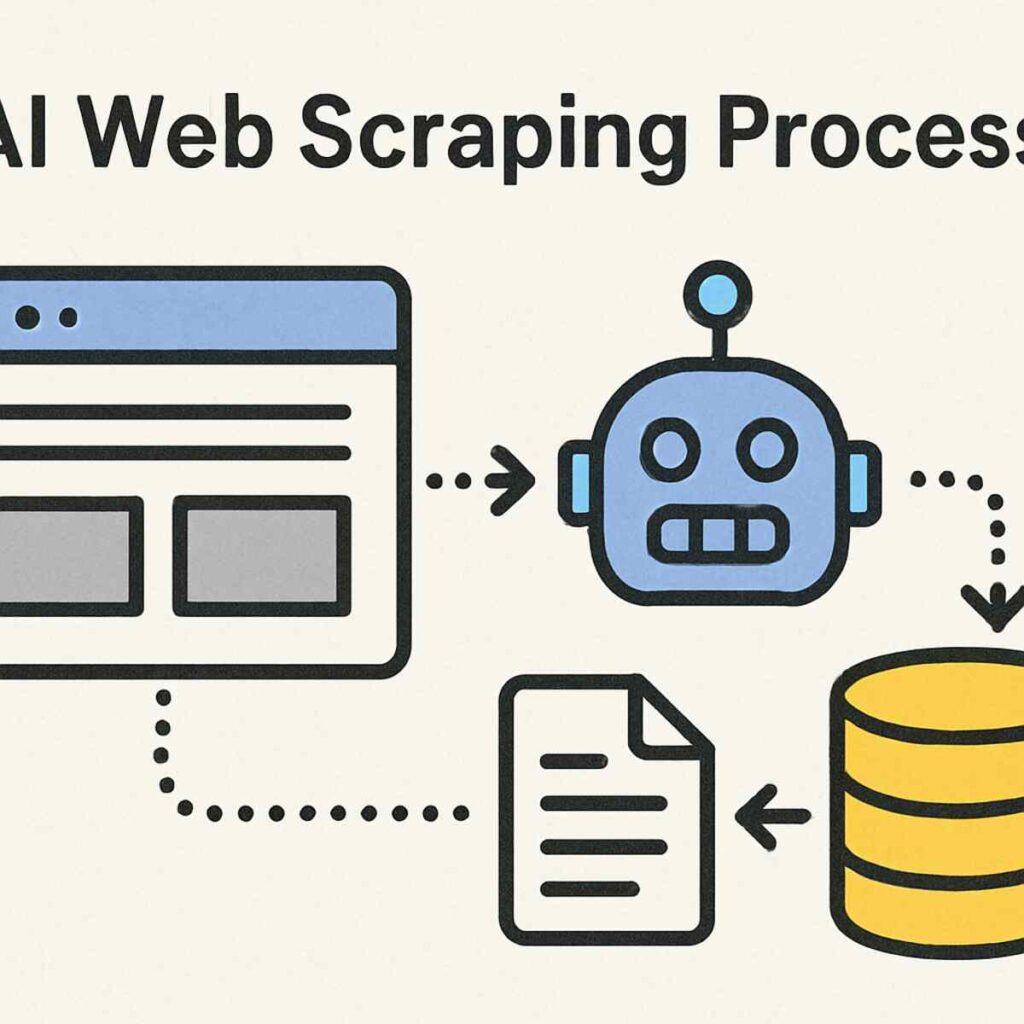
In the rapidly advancing landscape of data collection, web scraping has emerged as a pivotal tool for businesses and researchers alike. However, as the volume and complexity of data increase, traditional web scraping methods often fall short. This is where Artificial Intelligence (AI) comes into play, enhancing web scraping techniques to make data extraction more efficient and insightful. AI’s ability to learn and adapt in real-time allows web scraping tools to overcome challenges that were previously insurmountable. Find the best proxies for google ads.
In this comprehensive guide, we will explore how AI-powered web scraping is transforming data extraction processes and provide a step-by-step approach to leveraging these techniques effectively. By understanding the impact of AI on web scraping, you can position yourself at the forefront of data-driven decision-making.
Web scraping is the automated process of extracting information from websites. Traditionally, it relies on scripts or bots that navigate web pages, identify specific data, and retrieve it for analysis. While effective, this method faces several challenges that can hinder the efficiency and accuracy of data collection efforts.
Many modern websites utilize JavaScript to render content dynamically, complicating data extraction. This means that data may not be available in the initial HTML response, requiring scripts to execute JavaScript to access the information. For traditional scrapers, this often results in incomplete or inaccurate data retrieval. AI-enabled scrapers, however, can simulate user interactions, effectively bypassing these barriers.
Websites often implement measures like CAPTCHAs to prevent automated data collection. These can include IP blocking, user-agent tracking, and more sophisticated behavioral analytics. AI can assist in overcoming these barriers by mimicking human behavior and using machine learning to recognize and circumvent anti-bot technologies, ensuring uninterrupted data collection.
As data requirements grow, scaling traditional scraping methods can be resource-intensive. With increasing web traffic and data volume, maintaining performance and speed becomes challenging. AI-powered solutions offer scalability through automation and efficient resource management, adapting to growing data needs without a proportional increase in cost or complexity.
AI-enhanced web scraping addresses these challenges, providing smarter, more adaptable solutions. By leveraging AI, web scraping not only becomes more efficient but also capable of handling the complexities of modern web environments.
AI introduces advanced capabilities to web scraping, transforming it from a rigid, rule-based process into a flexible, intelligent system. Here’s how AI enhances web scraping, offering solutions that were previously unachievable with traditional methods.
Traditional web scraping scripts require precise instructions for locating data. AI, particularly machine learning, can identify patterns and learn from examples, reducing the need for explicit instructions. Machine learning algorithms can adapt to changes in website structure, ensuring consistent data extraction without frequent script modifications. This adaptability significantly reduces maintenance efforts and enhances the longevity of scraping scripts.
Moreover, machine learning models can predict future changes in web structures by analyzing historical data, allowing scrapers to preemptively adjust their strategies. This proactive approach minimizes downtime and ensures continuous data flow, even as web environments evolve.
NLP enables the understanding and extraction of meaningful information from unstructured text data. AI-powered web scrapers utilize NLP to extract contextual information, sentiments, and key insights from web content. This is particularly beneficial for industries relying on sentiment analysis, such as market research and customer feedback analysis. By understanding the nuances of language, NLP algorithms can discern sentiment, intent, and important keywords, providing richer insights than traditional keyword-based methods.
Furthermore, NLP can classify and categorize text data, allowing for more refined data analysis. This capability is crucial for businesses seeking to understand consumer behavior and market trends, offering a competitive edge in data-driven decision-making.
AI can effectively manage dynamic content rendered by JavaScript. Machine learning models can simulate human-like navigation and interaction with web pages, allowing the scraper to access and extract data that traditional methods might miss. This includes data hidden behind interactive elements, such as dropdowns or sliders, which are increasingly common on modern websites.
AI techniques can also optimize the scraping process by predicting user behavior and preloading content, reducing the time needed to access dynamic information. This efficiency is crucial for applications requiring real-time data, such as financial trading platforms or social media analytics.
Implementing AI-Powered Web Scraping
To effectively implement AI-enhanced web scraping, follow these steps. Each step is crucial for maximizing the benefits of AI in your data extraction endeavors, ensuring accuracy, efficiency, and compliance.
Step 1: Define Your Objectives and Data Requirements
Before diving into web scraping, clearly define what data you need and the specific objectives you aim to achieve. Whether it’s price monitoring, market analysis, or lead generation, having a clear goal will guide your scraping strategy. A well-defined objective helps in selecting the right tools and methodologies, reducing unnecessary efforts and focusing resources on achieving desired outcomes.
Consider the end use of the data as well. Different objectives may require different approaches; for instance, real-time data collection for stock trading differs significantly from periodic data harvesting for academic research.
Step 2: Select the Right Tools and Technologies
Choose AI-powered tools and frameworks that align with your objectives. Popular tools include:
- Beautiful Soup: For parsing HTML and XML documents. Its simplicity and ease of use make it ideal for projects requiring quick prototyping.
- Scrapy: An open-source framework for building web crawlers. Its built-in capabilities for handling requests and responses make it suitable for complex scraping tasks.
- Selenium: For automating web browser interaction, ideal for dynamic content. Selenium can replicate user interactions, making it perfect for sites with heavy JavaScript usage.
- TensorFlow: For building machine learning models to enhance scraping capabilities. TensorFlow’s versatility allows it to handle a variety of machine learning tasks, from image recognition to NLP.
Choosing the right combination of tools is critical. Evaluate the strengths and limitations of each, considering factors such as ease of integration, community support, and scalability.
Step 3: Develop and Train Machine Learning Models
If your scraping task involves pattern recognition or NLP, invest time in developing and training machine learning models. Utilize datasets that reflect the type of content you aim to extract. Training models on diverse datasets improves their ability to generalize and adapt to different web environments. This step is crucial for ensuring that your models can handle unexpected changes in web structures.
Consider using transfer learning to leverage pre-trained models, reducing the time and resources required for training. This approach is particularly beneficial for NLP tasks, where pre-trained models can provide a strong starting point.
Step 4: Test and Optimize Your Scraper
Testing is crucial to ensure your scraper performs optimally. Evaluate its accuracy, speed, and ability to handle dynamic content. Optimize the code and algorithms to address any bottlenecks or inefficiencies. Regular testing and optimization are necessary to maintain high performance, especially as web environments and data requirements evolve.
Incorporate automated testing frameworks to streamline this process, allowing for continuous integration and deployment. This ensures that your scraper remains robust and reliable, even as it undergoes frequent updates.
Step 5: Monitor and Maintain Your Scraper
Web environments are constantly evolving; hence, regular monitoring and maintenance are essential. Implement logging and alert systems to detect and address issues promptly. Continuous learning models can be retrained with new data to maintain accuracy. Regular updates and maintenance ensure that your scraping efforts remain aligned with your objectives and compliant with legal standards.
Invest in automated monitoring tools that can track scraper performance and alert you to potential issues. This proactive approach minimizes downtime and ensures a steady flow of high-quality data.
Real-World Applications of AI Web Scraping
AI-enhanced web scraping is revolutionizing various industries. By offering more efficient, accurate, and insightful data extraction, AI is enabling new applications and enhancing existing processes.
E-commerce and Price Monitoring
Retailers use AI web scraping to track competitor pricing, stock availability, and product reviews. Machine learning models analyze trends, enabling businesses to make data-driven pricing decisions. This competitive intelligence is crucial for optimizing pricing strategies, inventory management, and marketing efforts.
In addition to pricing, AI can also analyze customer reviews and ratings, providing insights into consumer preferences and brand perception. This information is invaluable for product development and customer experience enhancement.
Financial Services
Financial analysts rely on AI-powered scrapers to gather real-time financial news, stock prices, and market indicators. NLP techniques extract key insights from financial reports and news articles, providing valuable investment intelligence. This real-time data is essential for making informed trading decisions and managing portfolios effectively.
AI also enables sentiment analysis of news articles and social media posts, offering a deeper understanding of market sentiment and potential impacts on stock prices. This capability enhances risk management and investment strategies.
Academic Research
Researchers utilize AI scraping to collect large datasets from scientific publications, social media, and online surveys. AI techniques ensure accurate data extraction from diverse sources, supporting comprehensive research studies. This capability is critical for advancing knowledge across various fields, from social sciences to biomedical research.
AI’s ability to handle unstructured data allows researchers to analyze complex datasets, uncovering patterns and insights that were previously inaccessible. This enhances the quality and scope of academic research, driving innovation and discovery.
Ethical Considerations and Legal Compliance
While AI-powered web scraping offers immense potential, it is crucial to approach it ethically and legally. Consider the following guidelines to ensure responsible data collection practices.
Respect Terms of Service
Ensure compliance with website terms and conditions. Many sites have explicit policies regarding data collection, and violating these terms can result in legal consequences. Always review and adhere to these terms to maintain ethical standards.
Engage with website owners and seek permission when necessary, fostering a collaborative approach to data collection. This not only ensures compliance but also builds trust and transparency.
Data Privacy
Protect user privacy and avoid scraping sensitive information. Implement measures to anonymize data and comply with data protection regulations such as GDPR. Prioritize user consent and transparency in your data collection practices.
Consider using data minimization techniques to collect only the necessary information, reducing the risk of privacy violations. This approach aligns with ethical standards and enhances the integrity of your data collection efforts.
Attribution
Properly attribute sources and give credit where due. When using data from third-party sources, ensure that you acknowledge the original creators and provide appropriate citations. This not only respects intellectual property rights but also enhances the credibility of your data.
Incorporate attribution guidelines into your data collection processes, ensuring that all team members are aware of and adhere to these practices. This fosters a culture of respect and accountability within your organization.
Conclusion
AI-enhanced web scraping is an invaluable asset in today’s data-driven world. By incorporating machine learning, NLP, and dynamic content handling, businesses and researchers can unlock new levels of efficiency and insight. As you embark on your AI web scraping journey, remember to clearly define objectives, choose the right tools, and maintain ethical practices. With these strategies, you’ll harness the full potential of AI in web scraping, transforming how you interact with the vast world of online data.
Embrace the power of AI to revolutionize your data collection processes, staying ahead of the curve in an ever-evolving digital landscape. Through innovation and ethical practice, AI web scraping can become a cornerstone of your data strategy, driving success and growth in your endeavors.