How to Play Hands and Feet Game
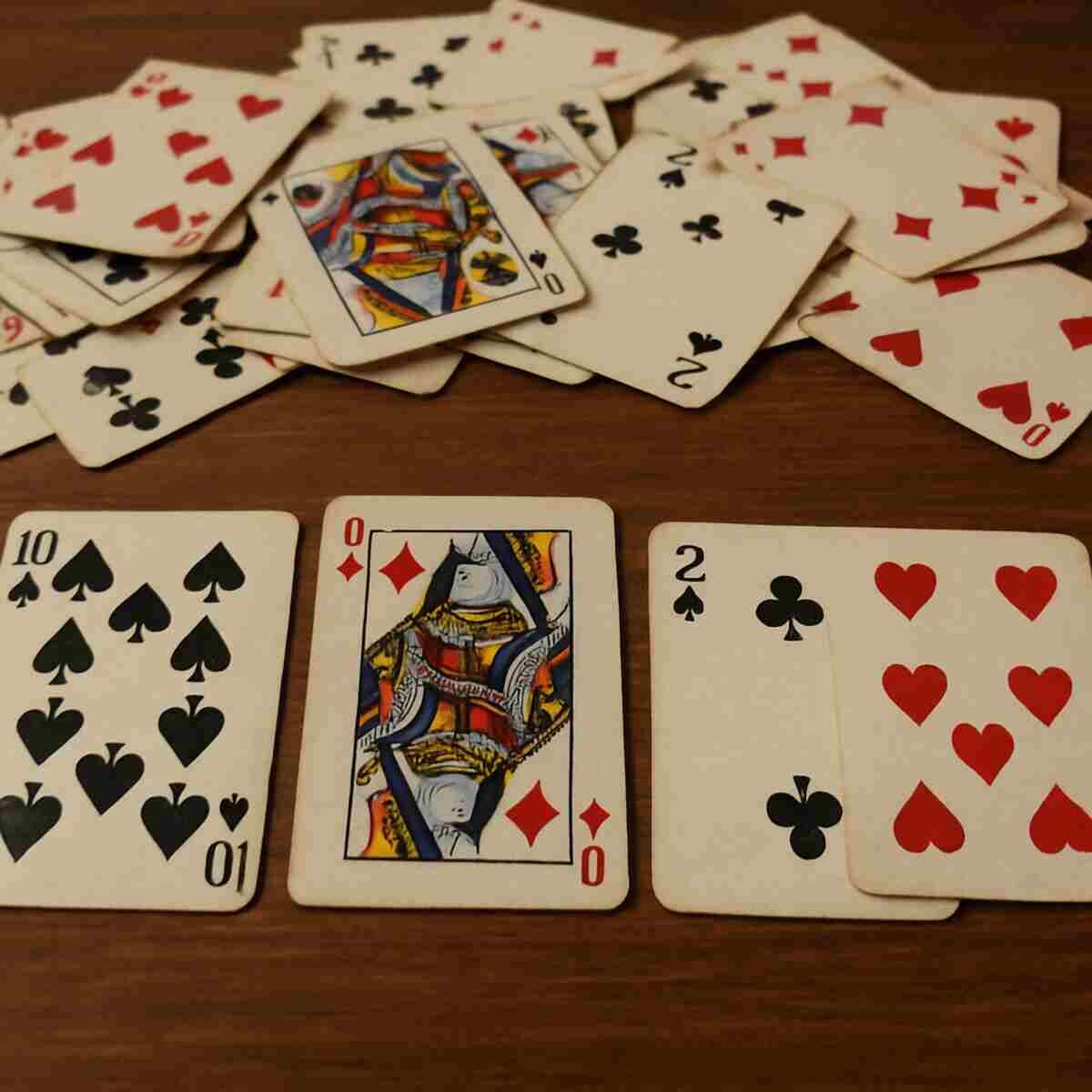
Playing card games is a fantastic way to bring friends and family together, and one game that promises fun and excitement is “Hands and Feet.” Whether you’re a seasoned card player or new to this particular game, this guide will walk you through the card game rules, the hands and feet card game directions, and the game instructions in a way that’s simple and easy to follow. So grab your deck of cards and let’s dive in! To know more, check out riauterdepan.com
What is Hands and Feet?
Hands and Feet is a variation of the Canasta game and is played with multiple decks of cards. Known for its strategic depth and team play, it brings a unique twist to traditional card games. The game is usually played by four players in teams of two, although you can adjust for more or fewer players. The goal is to score the most points by creating books of cards and clearing your hand and foot.
Game Setup
To start, you’ll need four to six decks of standard playing cards, including jokers. The number of decks depends on the number of players, with more players requiring more decks. This ensures there are enough cards for everyone to play strategically without running out of options.
Shuffle the decks together thoroughly to ensure randomness and fairness. Each player is then dealt two sets of cards: one for the “hand” and the other for the “foot.” The hand consists of 11 cards, and the foot should be set aside until later in the game. It’s crucial to keep these separate to maintain the game’s structure and strategy.
When setting up, make sure to arrange seating so that team members are alternating. This setup prevents teammates from sitting next to each other, which can inadvertently influence the game by allowing too much communication between partners. Proper seating ensures a fair and challenging game environment for all participants.
Basic Rules and Game Directions
Understanding the basic rules and directions is key to enjoying the game. Here’s a quick rundown of the key rules and directions to get you started:
Starting the Game
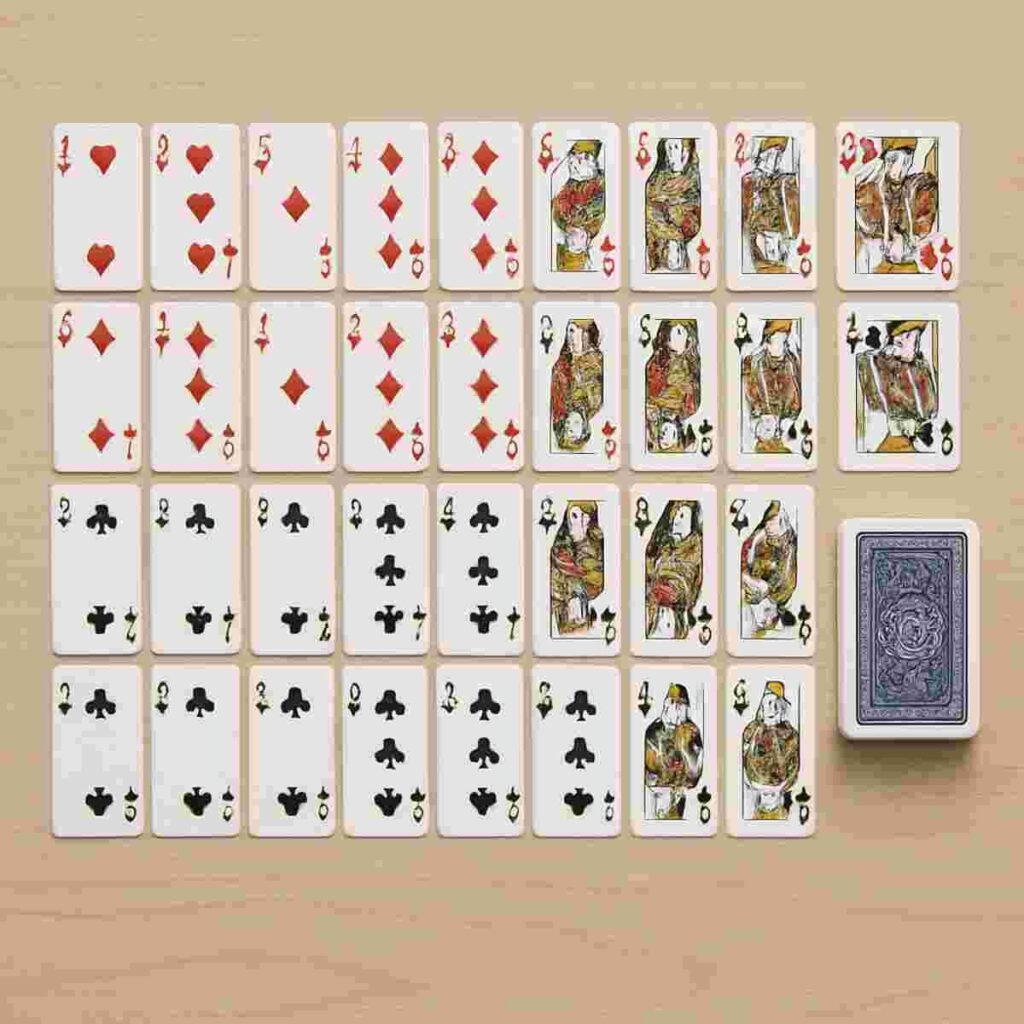
- Deal the Cards: Each player receives two sets of 11 cards. One set is their hand, and the other is placed face down as their foot. This distinction is vital as it influences your strategy throughout the game.
- The Draw Pile: Place the remaining cards in the center of the table to form the draw pile. Flip the top card over to start the discard pile. This setup facilitates the flow of the game and offers players a continuous source of new cards.
- Teams: Players should be seated alternately around the table to ensure team members are not sitting next to each other. This seating arrangement is essential for maintaining the integrity of team play and preventing any undue advantage.
Playing the Game
The game is played in rounds, and understanding the flow of each round is crucial for success. Here’s what each round looks like:
- Drawing: At the start of your turn, draw two cards from the draw pile. Drawing is your chance to enhance your hand and strategize for building books.
- Melding: The objective is to create books (or melds) of cards. A book must have at least three cards of the same rank, and you can add as many cards of the same rank as you want. You can also use wild cards (2s and jokers) to substitute for any card. Understanding when and how to meld is a strategic aspect of the game.
- Playing the Foot: Once you’ve played all the cards in your hand, you pick up your foot and continue playing. Transitioning smoothly to your foot can be a game-changer, so plan ahead.
- Going Out: To end the round, a player must “go out” by playing all their cards, but only after their team has completed the necessary melds. Before going out, ensure your team has at least one red book (a book of all natural cards) and one black book (a book with wild cards). Timing your exit is crucial to maximizing your team’s score.
Scoring
After a player goes out, teams score points based on the cards melded. Scoring is where your strategic planning pays off:
- Natural Book (Red Book): 500 points. These are valuable and should be prioritized.
- Mixed Book (Black Book): 300 points. While less valuable than red books, they still significantly contribute to your score.
- Jokers: 50 points each. Jokers are versatile and valuable both in play and for scoring.
- Twos (Wild Cards): 20 points each. Useful in play, twos also add to your score.
- Aces: 20 points each. Aces are valuable in both play and scoring.
- Eights through Kings: 10 points each. These provide steady, mid-range points.
- Fours through Sevens: 5 points each. Useful for building books, if not for high scoring.
- Threes: Negative 100 points each if left in hand or foot when the round ends. Avoid holding these at all costs.
The team with the highest score after all rounds wins the game. Scoring accurately is critical, so ensure everyone understands the point values.
Tips for Winning Hands and Feet
Now that you know the basics, let’s talk strategy! Here are a few tips to increase your chances of winning:
Be Strategic with Wild Cards
Wild cards are powerful, but they can also be a hindrance if left in your hand or foot when the round ends. Use them wisely to form or complete books. Consider the timing and necessity of using a wild card in each situation.
Consider holding onto wild cards until they can be used to complete a book or strategically block an opponent’s progress. The flexibility they offer can be game-changing if used at the right moment. However, beware of holding onto too many for too long, as they can become liabilities if left in your hand or foot.
Focus on Red Books
Red books score higher, so prioritize making them. Since they consist entirely of natural cards, avoid mixing in wild cards unless necessary. Building red books should be a primary focus, as they contribute significantly to your score.
Plan your strategy around the cards you draw and the potential for forming red books. Remember that each natural card you play towards a red book not only scores high but also reduces the risk of negative points from cards left in your hand or foot.
Keep Track of Opponents
Pay attention to the cards your opponents are drawing and discarding. This can give you insight into what they are trying to build, allowing you to counter their strategy. Observing opponents is as important as managing your hand.
Noticing patterns in their draws and discards can help you predict their moves and adjust your strategy accordingly. This vigilance can also prevent you from inadvertently aiding their strategy by discarding cards they need.
Common Mistakes to Avoid
Even seasoned players can make mistakes. Here are some common pitfalls to avoid:
Forgetting to Draw
A common error is forgetting to draw two cards at the start of your turn. This simple mistake can disrupt your game plan. Always remember to draw, as it not only replenishes your hand but also offers new strategic opportunities.
Missing a draw can leave you with fewer options and weaken your position. Set reminders or develop a consistent routine to ensure you never skip this crucial step.
Not Planning for the Foot
Don’t forget about your foot set of cards. You should have a plan for transitioning smoothly from your hand to your foot. The foot can often be the deciding factor in a game, so strategize accordingly.
Consider how your hand’s play will affect your ability to seamlessly integrate your foot into your strategy. Having a transition plan can maintain momentum and prevent a stall in your gameplay.
Rushing to Go Out
Ensure your team has completed all necessary books before going out. Rushing to end the round without fulfilling these requirements can cost your team valuable points. Going out should be a calculated move that maximizes your team’s score.
Focus on building the required books before making your final move. A premature exit can leave your team at a disadvantage and impact your final score negatively.
Final Thoughts
Hands and Feet is not only about luck but also strategy and teamwork. Whether you’re playing with family on a lazy Sunday afternoon or challenging friends for bragging rights, this game promises hours of fun and friendly competition.
The combination of strategy, teamwork, and a bit of luck makes each game unique and engaging. As you become more familiar with the rules and develop your strategies, you’ll find that the game becomes even more rewarding. So, shuffle those cards, gather your team, and enjoy a game of Hands and Feet. You’ll find that with each round, your skills improve, and the game becomes even more exciting. Happy gaming!